
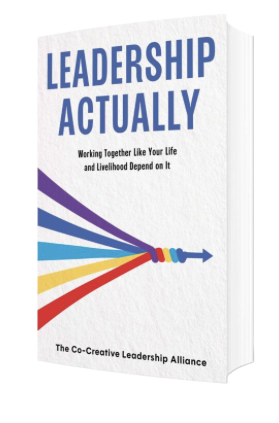
Just Because It Quacks Like a Duck…
... doesn’t mean it’s the real thing.
A lot of what passes for leadership today doesn’t hold up under pressure. If you’ve ever felt let down by a leadership model—or struggled to live up to one—you’re not alone.
It doesn’t have to be this way.
“Leadership is the process of getting other people to move along together with you, and each other, with competence and full commitment to achieve a goal.”
— Elliott Jaques & Stephen D. Clement
In plain language, leading is about influencing people.
Influence Isn’t NeW
These days, influence has been repackaged as something to be curated, monetized, and measured by the number of followers you can amass.
But long before influence became a marketing term, it described something essential to human life: the way people affect one another through attention, trust, and shared purpose.
Influence isn’t a thing leaders do — it’s what emerges through the quality of the attention they give, the trust they earn, and the working relationships they build. It’s how people have shaped communities, decisions, and progress since humans first began working together.
That’s a definition worth reclaiming — it’s quieter, steadier, and far more consequential — something that builds rather than brands.
And once you see influence this way, the real question becomes:
How can you become more effective in how you influence —
more deliberate, more human, more real?
Leadership Actually Advance Reviews
The Actually. . . Blog

No doubt Sam and Earl would recognize CCLA’s definition of leadership: the process of getting people to move along together with you—and each other—with competence and full commitment to achieve a goal.